

College teaches you a lot of math you will never use and almost none that you will. Here is the one that actually matters: cost per year of ownership. The freshman who buys a $40 watch and replaces it every year pays more by senior year than the one who saved for something real — and the same math runs through headphones, backpacks, bikes and every other thing you own. Materials science has actual numbers for this, and they fit on one page. Learn them once, use them for the next forty years of purchases.
Hardness has a scale; learn it before orientation
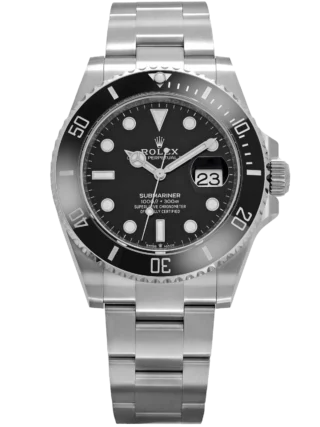
The Mohs scale ranks materials 1 (talc) to 10 (diamond). Mineral glass — the cover on cheap watches and budget phone screens — scores 5-6, which means beach sand (quartz, 7) scratches it for free. Synthetic sapphire crystal, fitted on quality instruments and real watches, scores 9; only diamond marks it. Four years in a bag with keys and chargers and it still looks new.
Metals use the Vickers scale (HV). Stainless steel 316L — the grade in surgical tools and quality watchmaking — runs about 200 HV. Titanium grade 5, the aerospace alloy, gives roughly 40% better strength-to-weight than steel and does not nickel-itch on your skin. The point is not to memorize numbers; it is to know that specs exist and that vague words like "premium" are marketing filler.
Comparison table: what your money actually buys
| Material | Hardness | Relative cost | Typical service life |
|---|---|---|---|
| ABS plastic | low | 1x | 2-5 years |
| Anodised alloy | medium | 2x | 5-10 years |
| Steel 316L | ~200 HV | 4x | 15-30 years |
| Titanium grade 5 | ~340 HV | 7x | 20-40 years |
| Sapphire crystal | 9 Mohs | 10x | life of the product |
Run the per-year math: a $250 watch with sapphire and 316L over ten years costs $25 a year. Three $80 watches over the same decade cost $24 a year and never once feel good on your wrist. The good option is the cheap option — you just pay earlier. And there is a second dividend nobody puts in the brochure: reliability compounds. The watch that survives four years of move-ins, road trips and intramural seasons becomes the thing you grab without thinking, the same way the cheap one becomes the thing you keep meaning to replace. Budget cultures in college reward whoever stops paying the same freshman mistake twice. Learn the spec sheet once in a dorm room and it keeps saving you money straight through your first salary and every move after that.
The checklist we wish the orientation packet included
- Ask for the exact grade: "stainless steel" without a number is an incomplete sentence.
- Check the glass: mineral or sapphire. Small price gap, massive durability gap.
- Look at seals and threads: real water resistance is engineered, not printed on the box.
- Weigh it: filler alloys feel hollow and suspiciously light.
- Verify published specs against the real thing before the return window closes.
A useful case study from the watch world, a market that learned to publish specs the way student athletes publish stats: collectors separate low-grade replicas with mystery alloys and mineral glass from replica rolex of the top tier, built on certified 904L or 316L steel with sapphire crystal like the originals. The difference is not the logo; it is exactly the numbers in the table — hardness, weight, corrosion resistance. Once you can read those, you can judge any purchase, from a laptop to a used car, with the same confidence.
What actually kills your stuff
Not scratches — corrosion. Sodium chloride in sweat attacks alloys below 10.5% chromium; that is why 316L, with 16-18% chromium and 2-3% molybdenum, is also surgical-implant material. Gym sessions, humid dorms and rain-soaked walks to class are the exact environment that separates real alloys from filler within two semesters.
The second quiet killer is the seal. A cheap rubber gasket dies even when the body is fine; quality gaskets (nitrile or FKM) hold from -30 to +200°C and stay elastic for years. It is the roommate principle: the loud part gets attention, the boring part decides whether everything survives.
For a worked example, check how a rolex datejust replica from the top tier publishes case steel, glass hardness and exact weight — one page of numbers that outlasts any semester of marketing.
FAQ
Is titanium worth the extra money for a student?
For something worn all day, often yes: 40% lighter and hypoallergenic. If budget is tight, 316L steel is the value pick — just get it with sapphire.
Can sapphire crystal scratch?
Only by diamond or another sapphire. Sand, keys and four years of backpack chaos will not mark it.
How do I check for 316L without a lab?
Demand the spec sheet and weigh the item. 316L has a specific, reproducible weight; light fakes fail the comparison instantly.
Does good material guarantee durability?
Not by itself — assembly and maintenance matter. But it is the necessary condition; nothing saves an alloy that corrodes.
Spend once, graduate once
You will take exactly one set of possessions through college and into your first apartment. Make them count: demand grades, check hardness, weigh things, read specs. The numbers above work for every category you will ever buy. That is the real financial literacy course — and unlike your electives, it pays dividends for life.